
What are the common materials used in Hanfu?
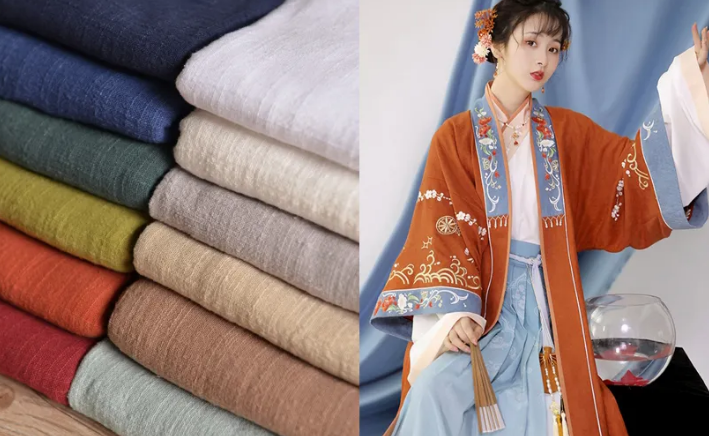
Hanfu commonly utilizes silk, cotton, hemp, ramie, and in modern adaptations, polyester blends.
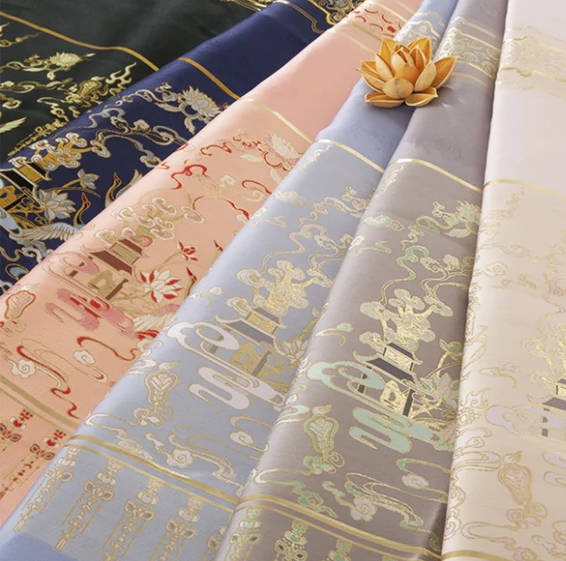
Silk Varieties in Hanfu
Pure Silk
Pure silk, often hailed as the "queen of fabrics," plays a pivotal role in the crafting of Hanfu. This luxurious material, originating from the cocoons of the Bombyx mori silkworm, boasts a smooth texture and a natural sheen. The unique structure of silk fibers allows them to refract light at various angles, creating an unparalleled luster. In ancient China, pure silk symbolized status and wealth, typically worn by royalty and aristocrats. Today, it remains a popular choice for ceremonial Hanfu, especially in weddings and significant cultural celebrations. Pure silk's versatility shines in a range of Hanfu garments, from elegant flowing robes to structured jackets. Its hypoallergenic nature and natural temperature-regulating properties ensure comfort in any season, making it a practical yet sophisticated fabric choice.
Damask Silk
Damask silk, a distinguished variant of silk, is renowned for its intricate woven patterns. Artisans create these patterns with a special weaving technique that contrasts the weave, resulting in a subtly elegant design. The motifs, whether floral, geometric, or pictorial, often hold cultural significance or narrate historical stories. This fabric's unique feature is its reversible pattern, visible on both sides, a testament to the skilled weaving process. Damask silk is a preferred fabric for Hanfu worn on special occasions such as traditional festivals, scholarly gatherings, or tea ceremonies. This fabric's blend of durability and sophistication makes it ideal for Hanfu that requires an elegant yet practical appeal. To maintain its beauty, damask silk requires careful handling, ensuring its intricate patterns and luxurious feel last for years.Cotton and Hemp in Hanfu
Properties and Common Styles
Cotton, renowned for its breathability and softness, revolutionized the Hanfu wardrobe with its comfort and versatility. This natural fiber became a staple in China around the Southern and Northern Dynasties, growing in popularity through the Ming and Qing eras. Cotton's main appeal in Hanfu lies in its ability to absorb a wide range of dyes, creating vibrant and visually appealing garments. Styles made from cotton typically feature:- Loose cuts, ensuring ease of movement and a relaxed fit.
- Simple lines, reflecting the practicality and everyday usability of the fabric.
- High durability, maintaining quality and color even after multiple washes.
Hemp Material
Hemp, known for its incredible durability and eco-friendly nature, has been a cornerstone in traditional Chinese textiles since the Neolithic age. This robust fabric is particularly valued for its suitability in summer Hanfu, owing to its breathability and moisture-wicking capabilities. The key features of hemp in Hanfu include:- Exceptional strength, making garments long-lasting and resilient.
- A rustic texture, adding a unique tactile quality to Hanfu and contrasting beautifully with smoother fabrics like silk and cotton.
- Increasing softness over time, as the fabric becomes more comfortable with each wash.
Brocade and Embroidery in Hanfu
Silk Brocade
Silk brocade, a testament to the exquisite craftsmanship of ancient China, embodies elegance and richness in Hanfu attire. This luxurious fabric, woven on a loom using the jacquard technique, integrates raised patterns that are often intricate and symbolic. The designs typically feature:- Mythological creatures like dragons and phoenixes, symbolizing power and auspiciousness.
- Floral patterns, representing nature's beauty and seasonal changes.
- Geometric shapes, often used to convey balance and harmony.
Embroidery Styles
Embroidery in Hanfu is not just a form of decoration; it's a narrative medium that weaves stories and traditions into the fabric. This intricate art form involves sewing designs onto the fabric using silk threads. Key techniques and styles include:- Suzhou embroidery, known for its delicate and almost lifelike designs.
- Sichuan embroidery, which often features vivid colors and bold patterns.
- Guangdong embroidery, distinguished by its intricate detailing and use of bright colors.
Less Common Materials in Hanfu
Wool and Fur
Wool and fur, though less common in traditional Hanfu, play a significant role in regional variations of these garments. In the colder northern regions of China, Hanfu often incorporates wool to provide warmth. This material, sourced from sheep and goats, is known for its excellent insulation properties. Woolen Hanfu is not only practical for cold weather but also carries a rustic elegance. Key characteristics include:- Thick, woven textures that retain heat effectively.
- Natural colors, often in shades of brown, gray, and cream, reflecting the material's organic origin.
- Variations in wool density and texture, depending on the region and breed of the animal.
Synthetic Fabrics
Synthetic fabrics, a modern addition to the Hanfu wardrobe, offer versatility and practicality in contemporary designs. These materials, including polyester and nylon, are popular for their durability and ease of maintenance. The key advantages of synthetic fabrics in Hanfu include:- Resistance to wrinkles and shrinkage, making them ideal for everyday wear.
- Wide range of colors and patterns, thanks to modern dyeing techniques.
- Affordability, making Hanfu more accessible to a broader audience.
Source from the Atelier
800+ certified Hanfu designs, MOQ 10, shipped to 47 countries in 7 days. Request our wholesale catalog and sample pack.
Request Wholesale Catalog